Interview with Sonny Sheridan and Matt Skilton on Grade and Sound for 'The Murder of Rachel Nickell'
Tagged:
Posted:
17 June 2026
AC
The documentary combines archive footage and recent interviews. How did you use the grade to bring these different elements together while keeping their individual look and feel?
SS
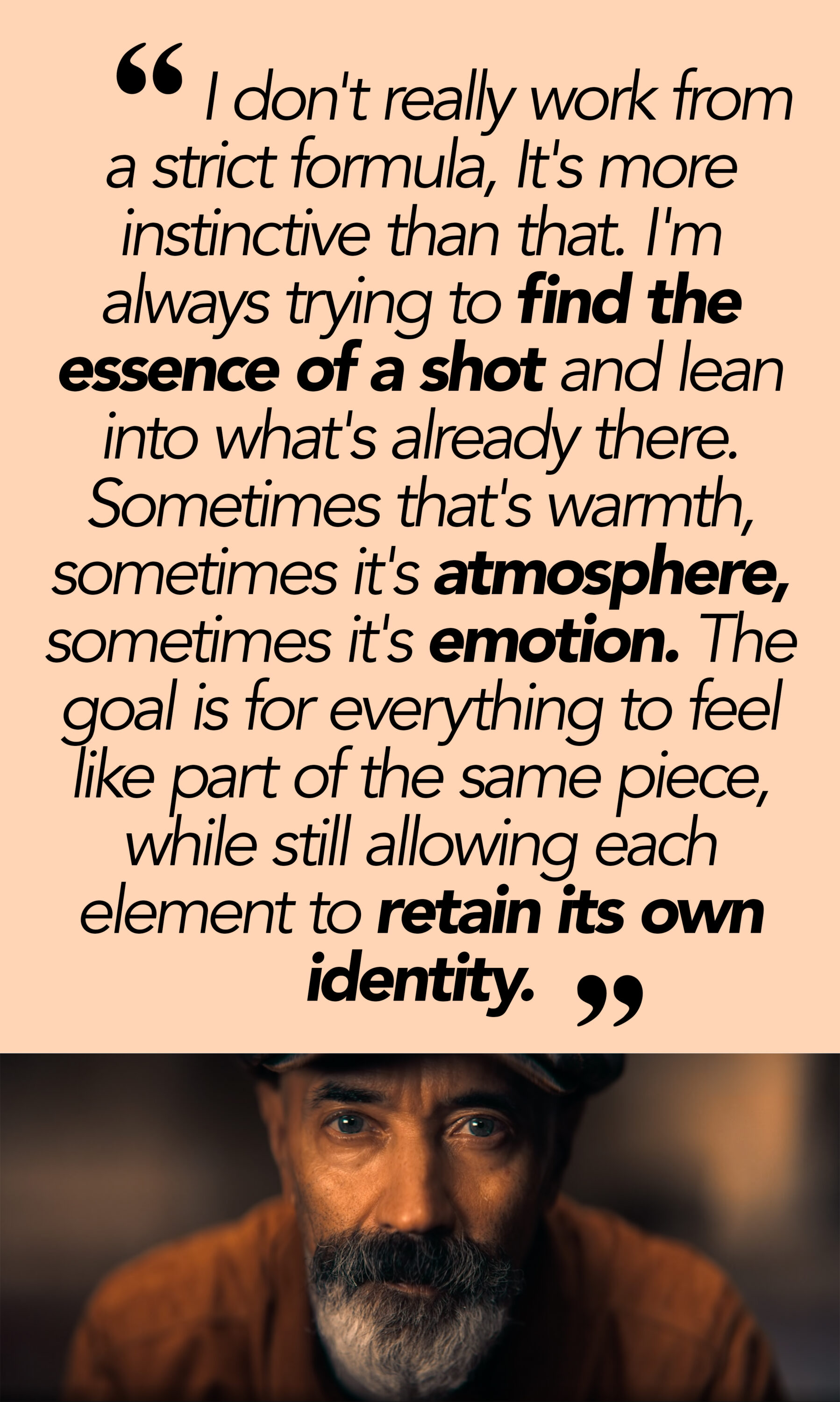
Sonny Sheridan - "To be honest, that's a tough one because the actuality in the film is largely news footage from its time. I'm a big believer in keeping that as close to real life as possible. When I'm grading, I see a distinction between actuality and the past. The news footage should feel like news footage, I want audiences to feel the era and the authenticity of it, rather than me trying to force it into a look that doesn't belong there. With archive material, I might enhance colours or refine things slightly, but I don't want to take away from the reality of what's on screen. I'm not trying to give actuality footage a stylised look; I'm trying to keep it pure. The interviews and retrospective elements are where I can lean into tone a little more. I don't really work from a strict formula, It's more instinctive than that. I'm always trying to find the essence of a shot and lean into what's already there. Sometimes that's warmth, sometimes it's atmosphere, sometimes it's emotion. The goal is for everything to feel like part of the same piece, while still allowing each element to retain its own identity. Ultimately, it's about finding a feeling. If something feels right, you know it. If it feels wrong, everyone in the room senses it. That's what I'm always chasing, the essence of the story."
AC
Is there a particular scene or part of the grade that you're especially proud of, and how did it help tell the story?
SS
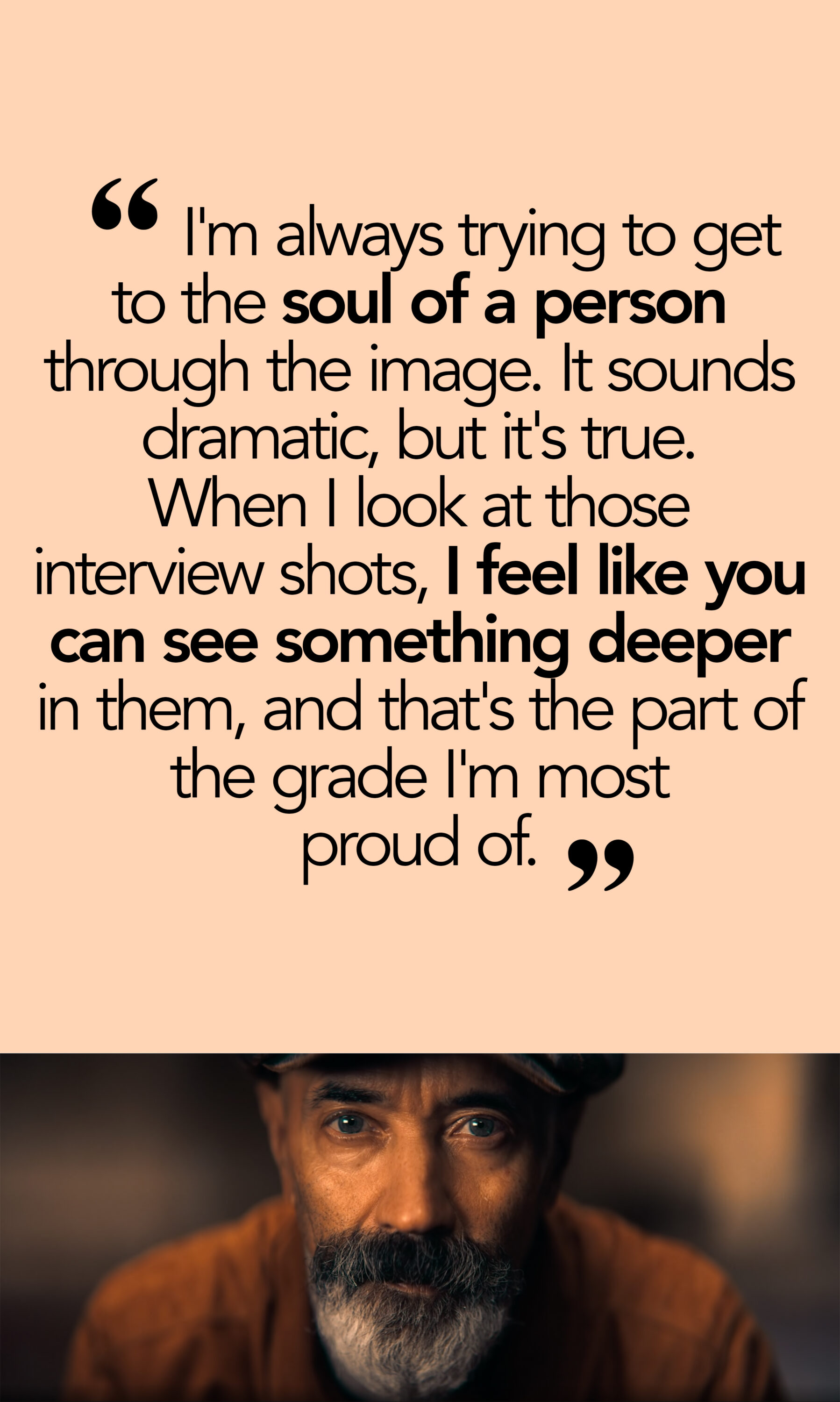
Sonny Sheridan - “For me, it's the interview shots, particularly the close-ups where you can really see the emotion in people's eyes. There's a shot in the film and I think it's in the trailer as well, where you can genuinely feel the pain. That's what I wanted to bring out. As a colourist, I'm a storyteller. My story is told through colour, through warm tones, cool tones and contrast. In those interviews, I deliberately embraced the warmth, but I also introduced cooler tones into the shadows and midtones. That contrast is where the magic is for me. It stops the image feeling too clean or too comfortable and adds a layer of complexity underneath. Life isn't perfect, and I don't think colour should be either. Even when something feels warm and beautiful, I like there to be an undertone of something deeper a sense that not everything is quite right. In this documentary, that helped reflect the pain, vulnerability and humanity of the people involved. I'm always trying to get to the soul of a person through the image. It sounds dramatic, but it's true. When I look at those interview shots, I feel like you can see something deeper in them, and that's the part of the grade I'm most proud of.”
AC
The documentary combines archive footage and recent interviews. How did you use the mix to bring these different elements together while keeping them authentic?
MS
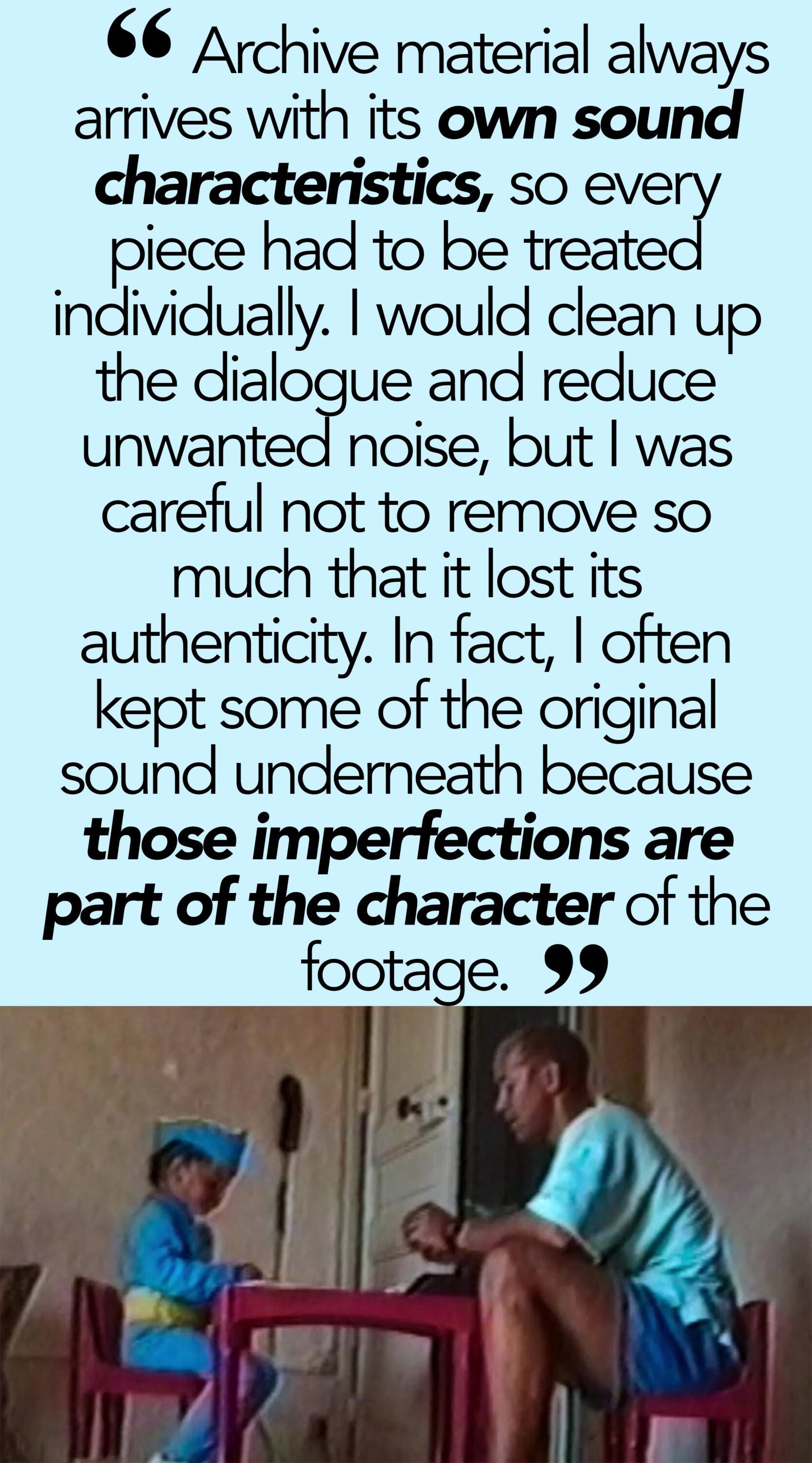
Matt Skilton - "The biggest challenge was making the archive footage, interviews and reconstruction scenes feel like part of the same story while still respecting what each element was. Archive material always arrives with its own sound characteristics, so every piece had to be treated individually. I would clean up the dialogue and reduce unwanted noise, but I was careful not to remove so much that it lost its authenticity. In fact, I often kept some of the original sound underneath because those imperfections are part of the character of the footage. We also built subtle layers of atmosphere around the archive material, such as ambient sounds and effects that helped bridge the gap between the archive and the dramatised scenes. The aim was never to make the archive feel modern, but to make the transitions feel seamless so the audience stayed immersed in the story rather than noticing the technical differences between formats."
AC
Which part of the final mix are you most proud of, and why was it important to the story?
MS
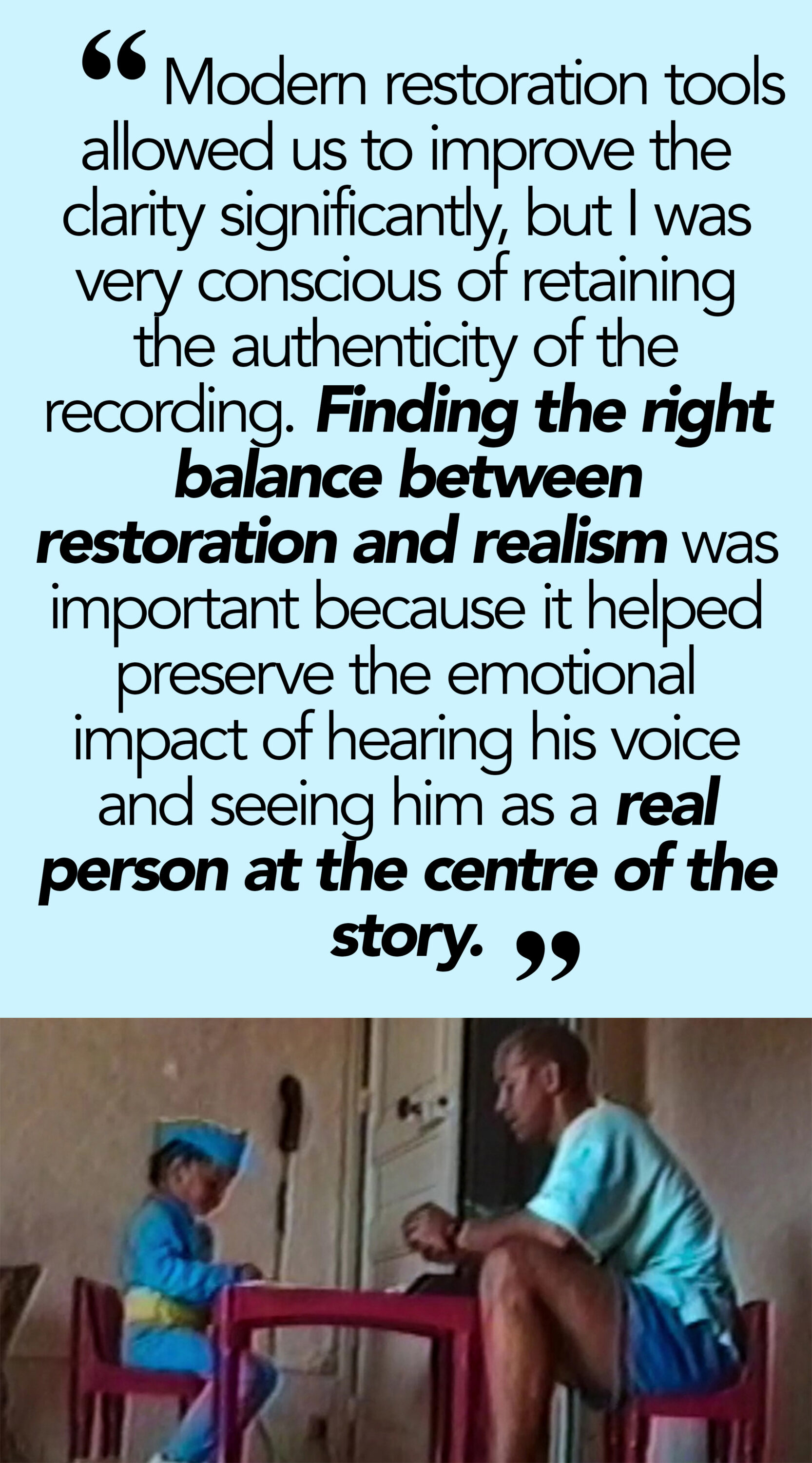
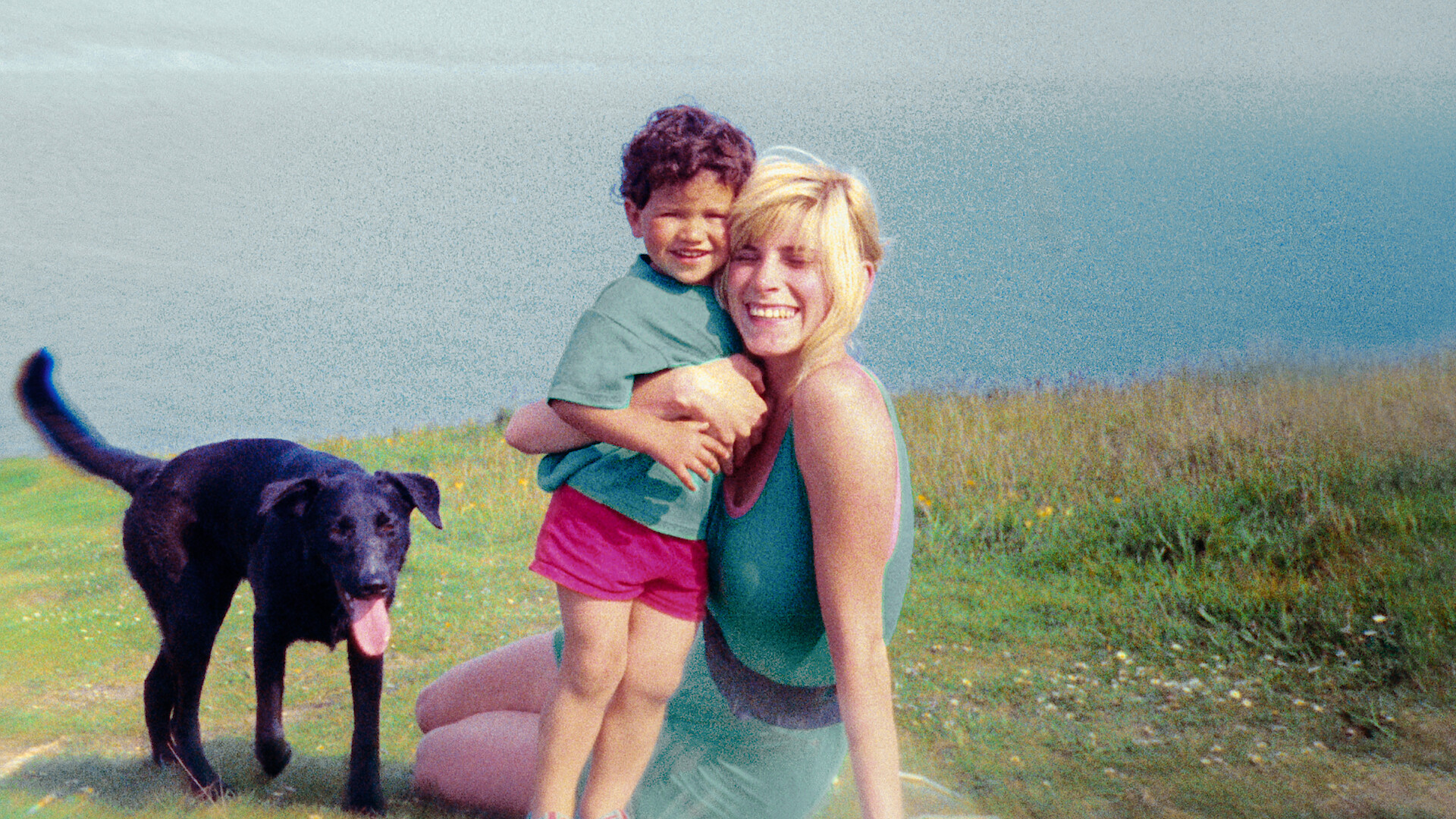
Matt Skilton - "The reconstruction sequences are probably the part of the mix I'm most proud of. There was very little original sound available, so we had to build much of the atmosphere from scratch using Foley and environmental sounds. That allowed us to create a rich sense of place without overwhelming the documentary's realism. Those scenes were crucial because they helped bring key moments of the story to life while remaining sensitive to the subject matter. Another moment that stands out is the opening archive footage of Rachel’s son Alex as a child. The original VHS recording was extremely noisy, with hums, buzzes and hiss making it difficult to hear him. Modern restoration tools allowed us to improve the clarity significantly, but I was very conscious of retaining the authenticity of the recording. Finding the right balance between restoration and realism was important because it helped preserve the emotional impact of hearing his voice and seeing him as a real person at the centre of the story."